
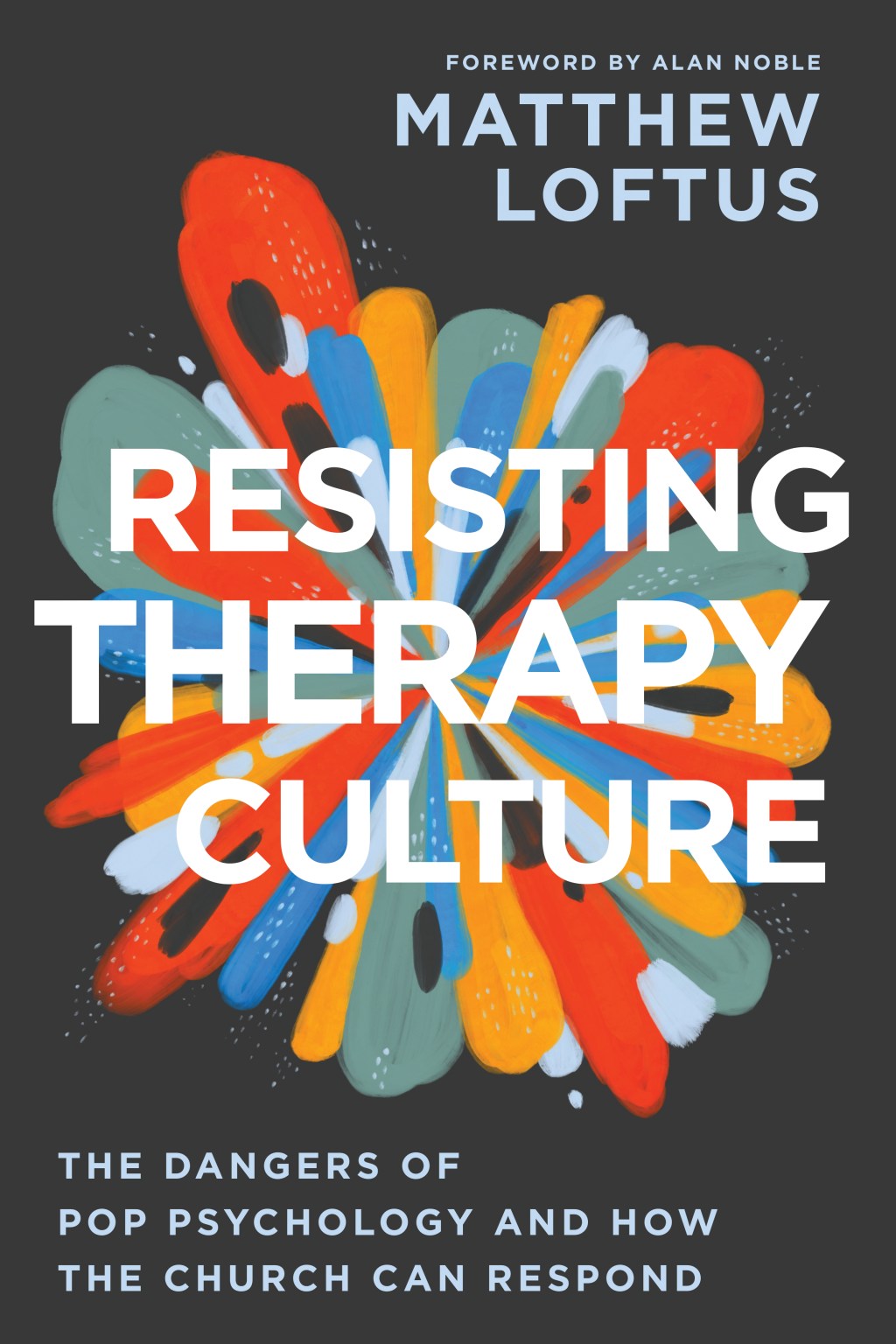
My book Resisting Therapy Culture comes out today! Thanks to everyone who has bought a copy, posted a review on Amazon or Goodreads, or told others about it. These things really help new people find the book, so please post a review if you can! You can read more about why I wrote the book and what it’s about here.
The book is focused primarily on the distortions of therapy culture and key truths from Scripture that can help contemporary Christians live faithfully in our age. It is not a comprehensive guide to what the Bible says about mental illness, nor is it a manual for treatment. There were several books that were extremely helpful to me as I wrote, so I wanted to share them with readers who are interested in learning more about specific topics.
On the moral and theological dimensions of mental illness:
Darkness is My Only Companion by Kathryn Greene-McCreight
As a priest and theologian who has wrestled with bipolar disorder for many years, Kathryn Greene-McCreight is in a unique place to describe the theological and ethical considerations inherent in mental illness. She is not shy about speaking hard truths about matters like sin, but she is also unapologetic about the fact that she would likely be dead if not for psychiatric medications and psychotherapy.
On the particular challenge of agency and responsibility for people with mental illness:
On Getting Out of Bed by O. Alan Noble
Hope is a difficult virtue to foster when someone is mentally ill. On Getting Out of Bed is a deeply personal reflection on how the simple acts of day-to-day life are acts of trust in God but also the primary means by which God gives us grace to endure. Alan Noble has walked through many valleys in his struggles with mental illness and writes with deep compassion and conviction about how we are always capable, no matter how profound our illness might be, of doing what is right. If there was one book I’d recommend that you buy for someone in your life who seems to be losing themselves due to therapy culture, it’s this one.
On the social and communal aspects of mental illness:
Wayfaring by Warren Kinghorn
Dr. Kinghorn is a practicing psychiatrist who is deeply invested in helping doctors think more carefully about their practice of psychiatry. Wayfaring draws on the teaching of Thomas Aquinas to help contemporary believers think about how integral spiritual healing—especially in the context of a community—is critical to the treatment of mental illness.
On the complexities of diagnosis:
Losing Our Minds by Lucy Foulkes
The author of this book is, as far as I can tell, not a Christian or at least does not draw on any Christian teachings in her work. However, she is an astute observer of cultural trends and a leading researcher on the harms of overdiagnosing mental illness. She is a bit too sanguine about social media, but otherwise her book provides a very accessible introduction to the scientific basis for diagnosing mental illness.
On a healthy approach to stress and spirituality:
Emotionally Healthy Discipleship by Pete Scazzero
While some of the branding in this book might not land with readers, the author’s overall focus on the need for Christians to simply receive God’s grace before trying to do anything for him is fantastic. The Biblical basis for self-care as exercising responsibility for the gifts that God has given us is the backbone of this book, along with a lot of suggestions for how to practically implement these principles.
On dealing with the harms of spiritual abuse:
Redeeming Power by Diane Langberg
Dr. Langberg has counseled victims through some of the most horrific traumas a human being can undergo. She is also an uncompromising believer in the mission of the Church to be the Body of Christ. She has written many books on these two subjects, but Redeeming Power is her best examination of how to root out the abuses that compromise the Church’s holiness and mission.
On the science behind trauma:
Myths of Trauma by Joel Paris
My trauma chapter was one of the hardest to write because it’s a controversial subject, new evidence is constantly coming out, and extraordinarily popular books like The Body Keeps the Score are not trustworthy. Myths of Trauma was extremely helpful in sorting out the wheat from the chaff.
BONUS: Capable by Sissy Goff and David Thomas
This book hadn’t come out when I turned in my manuscript, but I’ll definitely recommend it to anyone who asks me “so how do I apply this stuff with my kids?” Goff and Thomas are therapists who have noticed a dramatic rise in kids whose agency has been decimated by medicalization and have a lot of great practical tips for dealing with these issues.
I also highly recommend Psychiatry at the Margins by Awais Aftab, a psychiatrist who thinks deeply and philosophically about subjects like diagnosis and treatment.
Several people have graciously invited me on their podcasts to discuss the book and the problems with therapy culture; I’ll be sharing a roundup of those links in a few weeks. For now, you can get the book from Amazon, Bookshop, or the InterVarsity Press website. I’m eager to see people read it and discuss it, so please let me know what you thought of it!


Leave a comment