“He’s a narcissist.”
“She’s gaslighting me.”
“I felt traumatized by that.”
You’ve undoubtedly noticed the ideas and jargon of therapy working their way into more and more aspects of life and culture. That’s why I wrote Resisting Therapy Culture: The Dangers of Pop Psychology and How the Church Can Help, which comes out in just a few weeks on August 18th! I thought it would be helpful to do a short post explaining what therapy culture is and why I wrote the book.
Therapy culture manifests in a lot of different ways, but it’s primarily:
1. The medicalization of normal human experiences: when people define day-to-day sadness as “depression” or consider any kind of suffering as potentially traumatic, therapy culture makes people think of themselves as disordered.
2. Judging institutions by their perceived mental health impact: when mental health is overvalued, institutions (especially schools) feel pressured to do as much as possible to promote mental health—even things that actually worsen students’ mental health, like broad-based mental health screening programs.
3. The loss of human agency: when people think of themselves as sick and helpless patients, they lean into diagnosis-as-identity and lose the capacity to make themselves better.
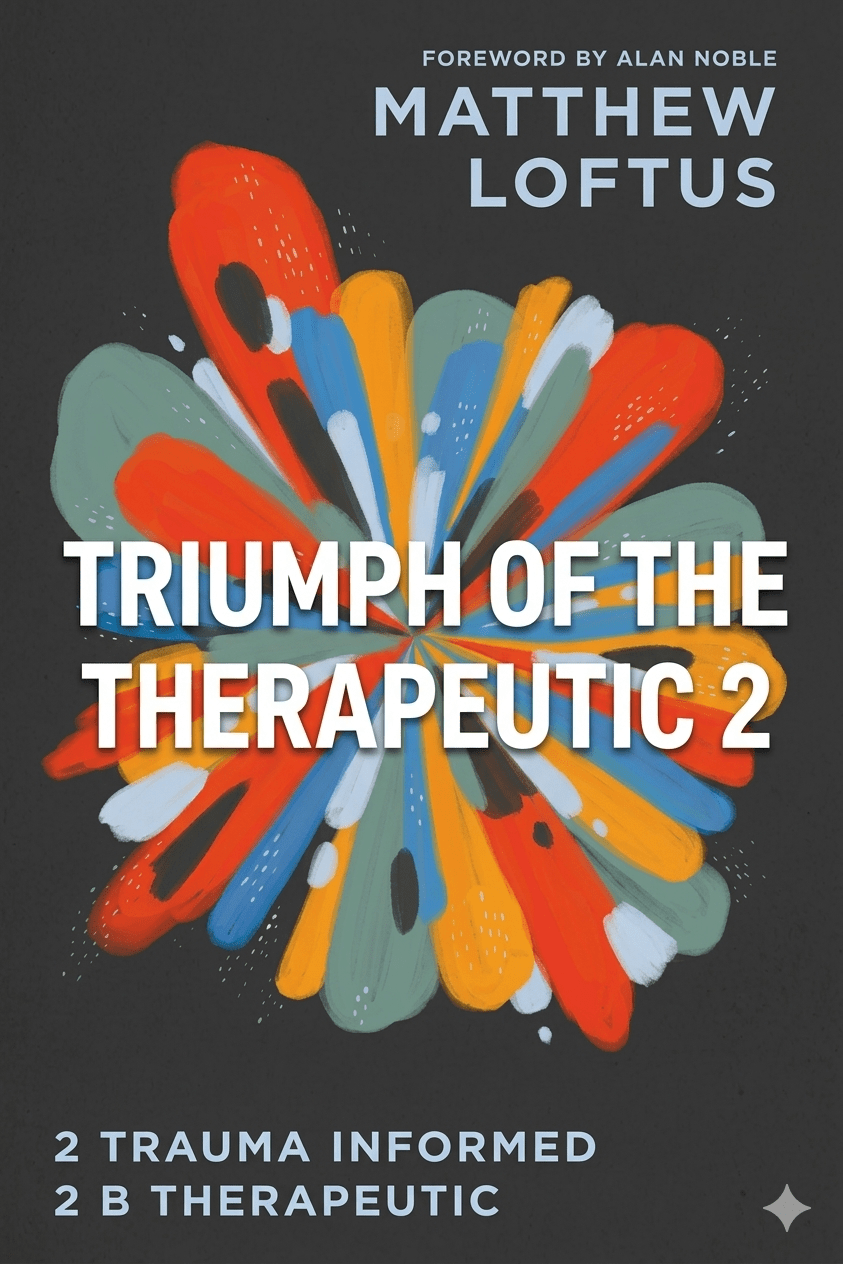
Therapy culture isn’t a new phenomenon—Philip Rieff wrote Triumph of the Therapeutic in 1968, describing how a therapeutic mindset had already transformed Western societies in profound ways. (I wanted to name my book Triumph of the Therapeutic 2: 2 Trauma Informed 2 B Therapeutic, but unfortunately that idea was rejected.) What has changed in just the last few years is the scale and scope of therapy culture—how many different ideas from therapy have mutated and been misappropriated.
I’m all for therapy as a practice—I love providing mental health care to patients at the mission hospital I work at in rural Africa and have been privileged to work with excellent counselors and therapists. When therapy and psychiatric medications are used judiciously, they can save someone’s life. But therapy as a culture is bad for mental health, and even out here we are starting to see social media promulgate some really toxic aspects of therapy culture.
In particular, I think the Church is vulnerable to some of these problems. If you’ve ever listened to a sermon that felt like a TED Talk with a Bible verse at the end, you know what I mean. Churches and pastors feel pressured to make their worship services a positive contribution to mental health, which means downplaying certain aspects of our faith and reinterpreting others as therapeutic concepts.
This is bad for all of us because the Church doesn’t exist to improve mental health; it exists to worship God and proclaim His goodness to the world. While any particular church might feel led to start a counseling ministry or do other things that are focused on promoting mental health, it’s not our primary mandate in the way that worshiping the Lord and providing the sacraments are. A pastor who tries to talk like a therapist is going to fail miserably at being therapeutic while also failing to give people what they truly need.
I thought about writing a book with a title like 10 Lies of Therapy Culture And Why They’re Wrong, but that’s not what I think would be most helpful right now. Rather, I wrote a book that focuses on what is true and good to serve as a resource for people who are hearing the lies of therapy culture. It walks through what therapy culture is, how it’s affecting us, how we make choices and how mental illness affects those choices, what psychiatry and therapy can do, and the history of how we got here. Then it looks at a Christian perspective on suffering and self-care before zooming in on some of the most controversial therapy culture topics like attachment, trauma, and addiction. The book concludes with a discussion about what a “good enough” church looks like when it comes to issues of mental health.
I really appreciate everyone who has preordered it so far—preorders really help the various algorithms get the book in front of people who could benefit from it—and if you haven’t, you can do so on Amazon, Bookshop, or the InterVarsity Press website. You can also read a sample chapter here. I’m booking podcast interviews now to talk more about the book, so if you’re interested in doing that, please let me know so I can get you an advance copy of the book! My ability to travel and speak is unfortunately limited by geography but I can do Zoom events (such as this one scheduled for 1:30PM Eastern Time on Friday, August 14th with the Trinity Forum.)
I wrote Resisting Therapy Culture because I love mental health care and I love the Church. I want to see each one flourish in their own spheres and I’m concerned about how therapy culture is making people psychologically sicker. My own experience as a mental health patient and the stories I’ve heard from many different people have shaped what I’ve written. It also summarizes as much of the current scientific evidence as possible, since this is not an issue exclusively of concern to religious people—even secular therapists and psychiatrists are sounding the alarm about the dangers of therapy culture. My hope and prayer is that the book will help parents, pastors, teachers, and counselors understand what’s going on and give them resources to help people in their lives who have been sucked in by the lies of therapy culture.



Leave a Reply